

The telecommunications company T-Mobile is using remote authentication that uses mobile telephones. The product used is from SecurEnvoy
T-Mobile wanted to enable members of staff working remotely to securely access corporate resources involving their mobile phones. Users at T-Mobile do not have to carry extra devices with them for identification purposes if they wish to access the corporate network. The only requirement is a mobile phone, which every member of staff generally has with them anyway.
The SecurAccess product is now being used by 15,000 staff. The users either receive an SMS to the phone or an app for smart devices; this turns mobile telephones into virtual tokens. Some 2,000 T-Mobile employees have become the first users of the SecurICE (In Case of Emergency) solution. This is an emergency situation service from SecurEnvoy, via which users can access the company’s network if they are temporarily unable to get to the company’s premises.
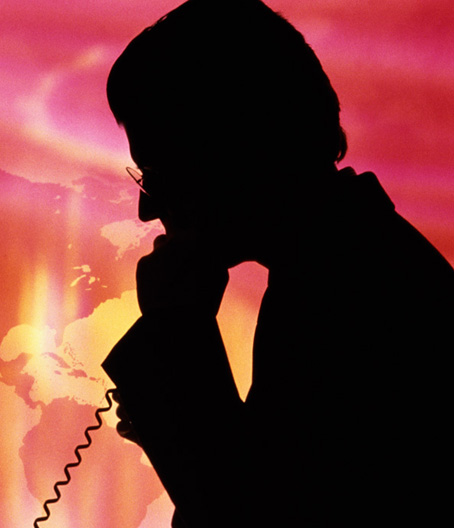
Mobile phone
Instead of using physical tokens or smart cards, T-Mobile staff can now log into the network via SecurAccess using two-factor authentication: the first factor is a password defined by the user and the second is a passcode generated by SecurAccess, which the system can send via e-mail, SMS or an app to the user’s mobile telephone. If the employee wants to log into the corporate network, he or she is prompted to enter both factors. As soon as the passcode generated by the system has been used, SecurAccess then sends a new code to the user’s mobile telephone, so that the T-Mobile employees always possess a valid access code for the corporate network. As each employee is the only person that knows their respective two factors, it is ensured that no unauthorised third parties can access the network and remove data.
Regular remote users use SecurAccess whereas office-based workers have been registered for SecurICE for use in the event of emergencies or other incidents, such as bad weather or traffic problems, that prevent them reaching work as planned. T-Mobile reports time and cost savings, as there is no need for the acquisition of hardware tokens. Time-consuming training sessions are also no longer required.
Darren Westmore, project manager at T-Mobile, says: “We are a mobile telecommunications company, and it is important that we meet people’s expectations with regard to our brand. We want to make mobile and decentralised work as simple as possible, while retaining the highest levels of security. However, originally using physical tokens turned out to be an extremely complicated approach, and not very user-friendly either; SecurAccess has eliminated such issues. And the best thing is that SecurAccess and SecurICE actually help us promote the use of mobile telephones. They have added a new level of functionality to our products, thus further increasing the value of our brand.” Visit www.securenvoy.com.