


Charities and their supporters can be targets for criminals. Fraudsters are as eager to steal donations and undermine the work that charities do as they are to defraud the public and private sectors.
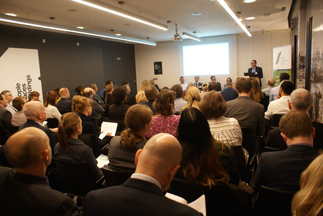
As part of National Charity Fraud Awareness Week (pictured; the launch morning in central London on October 23) the Fraud Advisory Panel (itself a charity) has joined with police, regulators the Charity Commission and others to issue fraud prevention advice for anyone wanting to donate on the doorstep, on the street or online, so donors can make sure their money really does reach those who need it.
David Kirk, Chairman of the Fraud Advisory Panel said: “The vast majority of fundraising activities are legitimate but fraudsters are expert at hijacking our kindness and diverting our charitable donations into their pockets. Cruelly, they are especially active during a crisis or tragedy. But making sure our donations really do reach the causes we care about is easier than most people realise. For example:
– Ignore unsolicited emails, texts or social media messages/posts from charities you’ve never heard of or have no association with.
– Protect your personal information – never reveal passwords or PINs.
– Watch out for tell-tale signs like spelling or grammar mistakes in the literature, photocopied IDs and unsealed collection buckets.
– Don’t feel under pressure – take your time to make a considered, informed decision.”
The Fraud Advisory Panel, Get Safe Online and the charity and memorial fund-raising website GoFundMe have also released five tips for donating safely through crowdfunding sites.
Kirk adds: “Charities need our support more than ever in these difficult times. But we can all keep donating and make life a lot harder for the charity fraudster by taking the straightforward precautions listed in this new guide.”
For more about Charity Fraud Awareness Week, visit: https://www.fraudadvisorypanel.org/charity-fraud/get-involved/.
Downloads
‘Giving safely: a guide to making donations to UK charities’ is available from: https://www.fraudadvisorypanel.org/wp-content/uploads/2017/10/Giving-Safely-WEB-Oct17.pdf
And ‘Giving safely through crowdfunding’ is downloadable from: https://www.fraudadvisorypanel.org/charity-fraud/get-involved/.
About the Fraud Advisory Panel
The Panel was set up in 1998 by the Institute of Chartered Accountants in England and Wales (ICAEW); visit www.fraudadvisorypanel.org.